
For many women over 40, stubborn weight has little to do with willpower — and a lot to do with basic cellular biology that shifts with age.
It's a familiar pattern: careful calorie counting, cutting out entire food groups for months at a time, early workouts before the day starts, personal trainers, meal programs, rounds of intermittent fasting. For some people, these approaches work well. For plenty of others, the scale barely moves — or drops temporarily, then climbs right back.
When that happens, it's easy to read it as a personal failure — not disciplined enough, not trying hard enough. But researchers who study metabolic aging point to something else: many of the tools people reach for were never built around what actually changes in the body after 40.
Researchers describe this as a biological shift tied to how the body ages — not a personal failing.
What if the real obstacle has less to do with willpower or food choices, and more to do with a cellular process researchers have observed in many adults between ages 35 and 45 — one that may make the body respond differently to conventional weight-loss approaches?
That research exists, and it's published in peer-reviewed journals. It's also the basis for a simple morning habit that's been getting attention for its possible role in supporting the body's own metabolic function.
Online, the habit has picked up an informal nickname — the Baking Soda Trick — a nod to the old kitchen-cabinet habit of starting the day with a pinch of baking soda in water. To be clear about the science: the compound behind this protocol isn't baking soda itself. It's a specific combination of amino-acid peptides — glycine and hydroxyproline — naturally abundant in hydrolyzed collagen. Taken at the right time each morning, these amino acids may help support what researchers describe as normal thermogenic activity — potentially helping the body use stored energy more efficiently as part of a healthy lifestyle.
The 3-Step Cellular Sequence — How the "Baking Soda Trick" Protocol Works
Why Common Weight-Loss Methods Often Fall Short After 40

After the age of 35, research suggests that levels of glycine — a critical amino acid — may begin to decline in many adults. Glycine plays an important role in supporting mitochondrial function — the energy-producing processes inside cells. When glycine availability decreases, researchers believe cellular energy processes may become less efficient.
Some researchers describe this as contributing to reduced metabolic efficiency — where the body may have a harder time responding normally to diet and exercise signals. This is a biological challenge, not a personal failing.
And here is what the research also suggests: severe caloric restriction may actually compound the challenge. When the body senses significantly reduced caloric intake, it may respond by conserving energy expenditure — a well-documented adaptive response. This is why many people find that the harder they restrict, the harder it becomes to see progress.
Studies published in peer-reviewed nutrition journals indicate that amino acids derived from hydrolyzed gelatin — particularly glycine and hydroxyproline — may play a role in supporting thermogenesis and nutrient processing. Research published in 2008 and 2009 examined how gelatin-based protein sources and a hydrolyzed gelatin meal influenced energy expenditure, appetite, and hormones including ghrelin. Full citations are listed in the references section below.
What Researchers Observed: How a Simple Morning Habit May Support Metabolism

When study subjects consumed hydrolyzed collagen peptides at a specific dose first thing in the morning — on an empty stomach, before any other food — researchers observed two effects worth noting.
First: Ghrelin — a hormone associated with hunger and cravings — appeared lower in subjects within 90 minutes of consuming hydrolyzed collagen peptides. Subjects reported feeling more satisfied and less driven to snack between meals.
Second: Core body temperature showed a modest increase — a physiological indicator researchers associate with thermogenic activity, suggesting the body may be using energy more actively at rest.
Glycine and hydroxyproline are described in this research as nutritional support for normal cellular energy metabolism — supplying amino acids that the aging body tends to produce in smaller amounts.
There is, however, an important consideration. Store-bought gelatin and collagen powders vary widely in purity and in their glycine-to-hydroxyproline ratio — which is part of why a standardized, quality-controlled approach was used for this formulation, instead of asking people to measure kitchen ingredients every morning.
Research published in 2021 found that specific bioactive collagen peptides were associated with improvements in body composition in middle-aged adults. Separately, more recent research on glycine supplementation has examined its relationship to healthy aging and metabolic function. Full citations are listed in the references section below.
Foods That May Amplify the Effect
Researchers studying these mechanisms also noted something interesting: certain natural compounds appear to work synergistically with glycine and hydroxyproline — supporting the same metabolic pathways from different angles.
Apple cider vinegar has been studied for its role in a healthy post-meal blood sugar response — a factor closely tied to how efficiently the body manages stored energy. Turmeric (curcumin) and cayenne pepper (capsaicin) have both been researched in connection with thermogenesis — the same cellular process this protocol is designed to support. Cinnamon rounds out the group, with published research suggesting a possible role in insulin sensitivity and healthy glucose metabolism.
On the hydration side, lemon juice provides natural vitamin C — a key cofactor in collagen peptide synthesis — while cranberry offers polyphenols associated with healthy inflammatory balance, an increasingly recognized factor in metabolic function.
This is why the protocol works best as part of a broader nutritional environment — and why the Thermo Burn formula was designed to complement, not replace, a whole-food lifestyle.
Introducing Thermo Burn — A Simple Daily Capsule Built Around the Research

Rather than relying on inconsistent kitchen-grade gelatin or collagen powder measured out every morning, the team behind Thermo Burn built a formula that delivers the same amino-acid matrix in a simple, easy-to-take daily capsule.
Two capsules each morning. That is the entire protocol.
What's Inside Every Thermo Burn Capsule

Each capsule delivers the core elements of this formula, combined with natural supporting compounds backed by published research. At the base is food-grade gelatin, hydrolyzed into smaller peptides for easier absorption — chosen as the source of the glycine and hydroxyproline referenced throughout this article. A small amount of raw honey is included for its trace natural enzymes and antioxidant compounds.
Edible gelatin, hydrolyzed into smaller peptides for easier absorption. It serves as the natural source of the glycine and hydroxyproline studied in the collagen body-composition research referenced below.
Unprocessed honey, included as a natural source of trace enzymes and polyphenol antioxidants that complement the formula's amino-acid base.
High-purity hydrolyzed collagen delivering a precise glycine + hydroxyproline ratio. Research on specific bioactive collagen peptides has found associations with improved body composition in middle-aged adults as part of an active lifestyle.
The most abundant amino acid in collagen. Recent research on glycine supplementation suggests a possible role in supporting mitochondrial function and healthy metabolic aging.
Flavonoids from citrus peel studied for their relationship to AMPK — a cellular energy regulator. Recent research on naringenin found associations with metabolic markers linked to healthy weight in animal models.
A well-researched soluble fiber associated with healthy appetite regulation. Research in overweight adults found inulin-type fructans were associated with improved substrate metabolism.
Magnesium is involved in hundreds of enzymatic processes including those related to glucose and energy metabolism. The chelated glycinate form offers superior bioavailability to support the nutritional environment for normal cellular energy function.
Zinc plays a role in numerous metabolic processes and supports normal hormonal balance. Combined with selenium and chromium, this mineral blend completes the nutritional foundation of the Thermo Burn formula.
| Ingredient | Amount | % DV |
|---|---|---|
| Hydrolyzed Collagen Peptide Matrix | 1,500 mg | † |
| L-Glycine (Free Form) | 800 mg | † |
| Citrus Bioflavonoid Complex | 350 mg | † |
| Prebiotic Inulin (Chicory Root) | 500 mg | † |
| Magnesium Glycinate | 200 mg | 48% |
| Zinc Bisglycinate | 15 mg | 136% |
| Trace Mineral Complex (Se, Cr) | 55 mcg / 120 mcg | 100% / 343% |
† Daily Value not established. Other ingredients: vegetable cellulose (capsule shell), microcrystalline cellulose, magnesium stearate (vegetable source). No artificial colors, fillers, or preservatives.
What Users Are Reporting With Thermo Burn
- Many users report feeling noticeably less hungry in the first 7–10 days, particularly in the evening hours
- Users commonly describe feeling lighter and noticing their clothes fitting differently within the first 30–60 days
- More consistent energy levels throughout the day, without crashes associated with stimulant-based supplements
- Many users report improved sleep quality, consistent with glycine's documented role in supporting relaxation
- Improved appearance of skin, hair, and nails — consistent with the nutritional role of collagen peptides in connective tissue support
- Most users report not needing to significantly change their existing eating habits, though individual experiences vary
Get Thermo Burn Today — Limited Availability
Consider what people currently spend trying to lose weight. Personal trainers average $150 to $300 per month. Specialty meal delivery programs run $400 or more. Most "premium" weight-loss supplements cost $80 to $120 for a single month — with no guarantee and no real mechanism behind them.
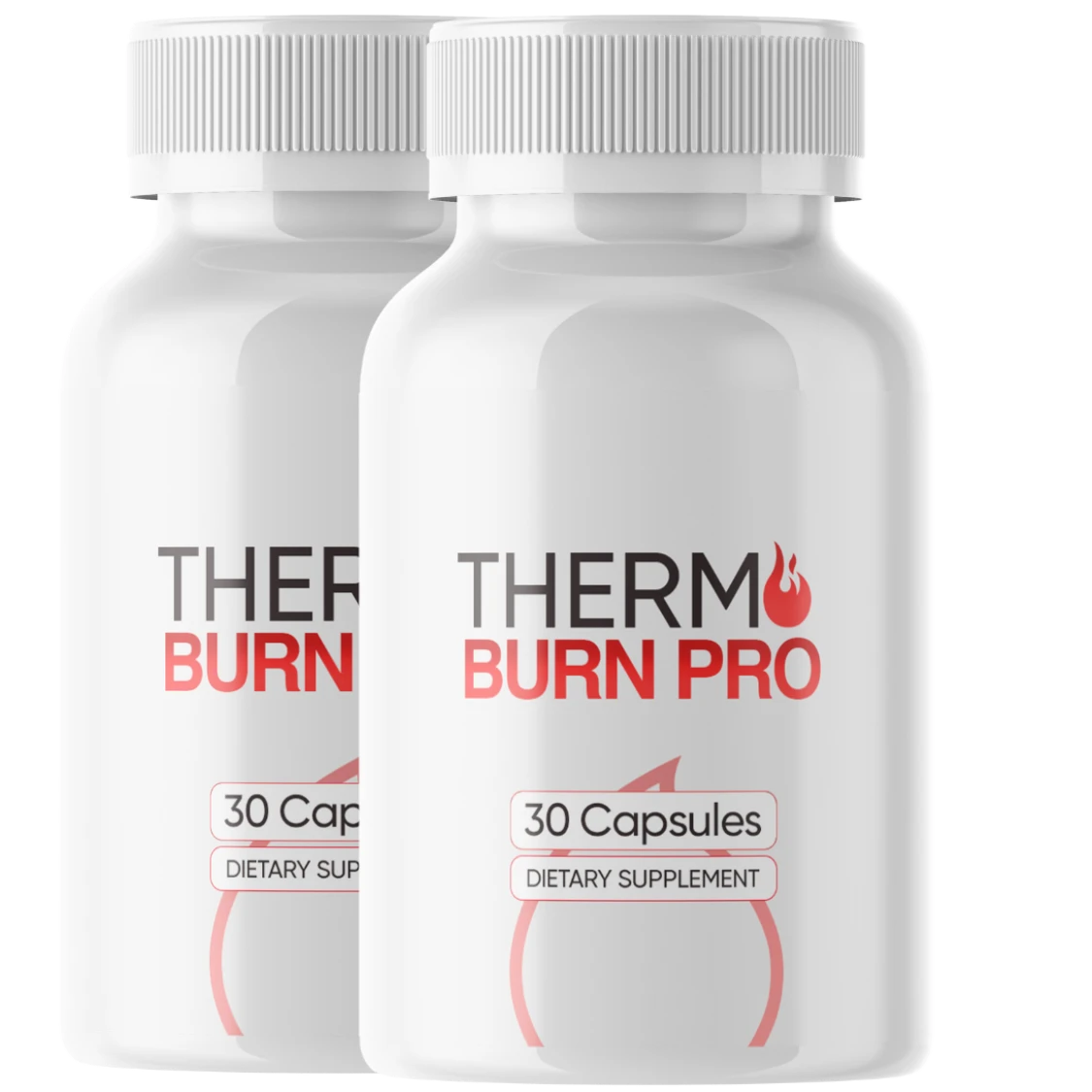
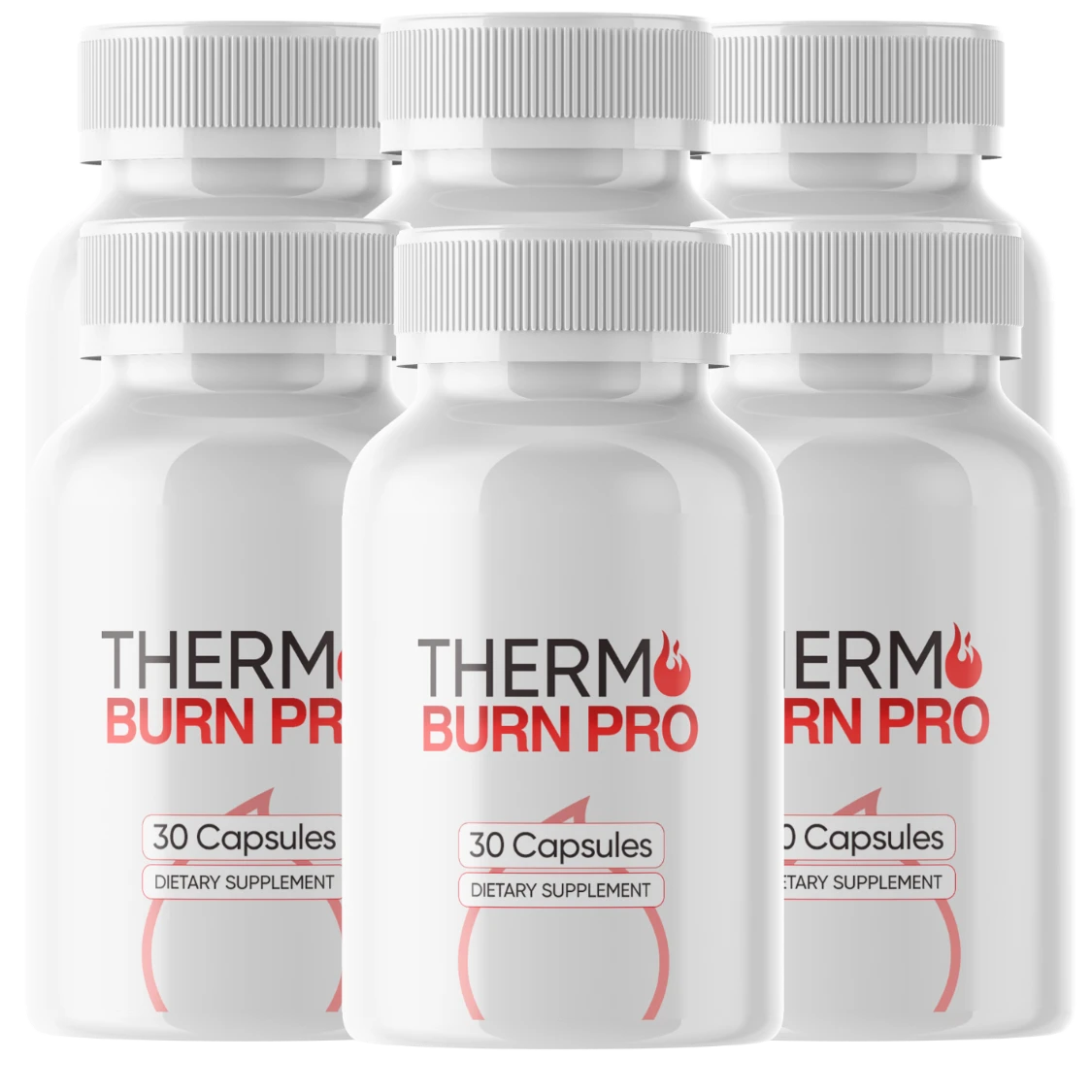
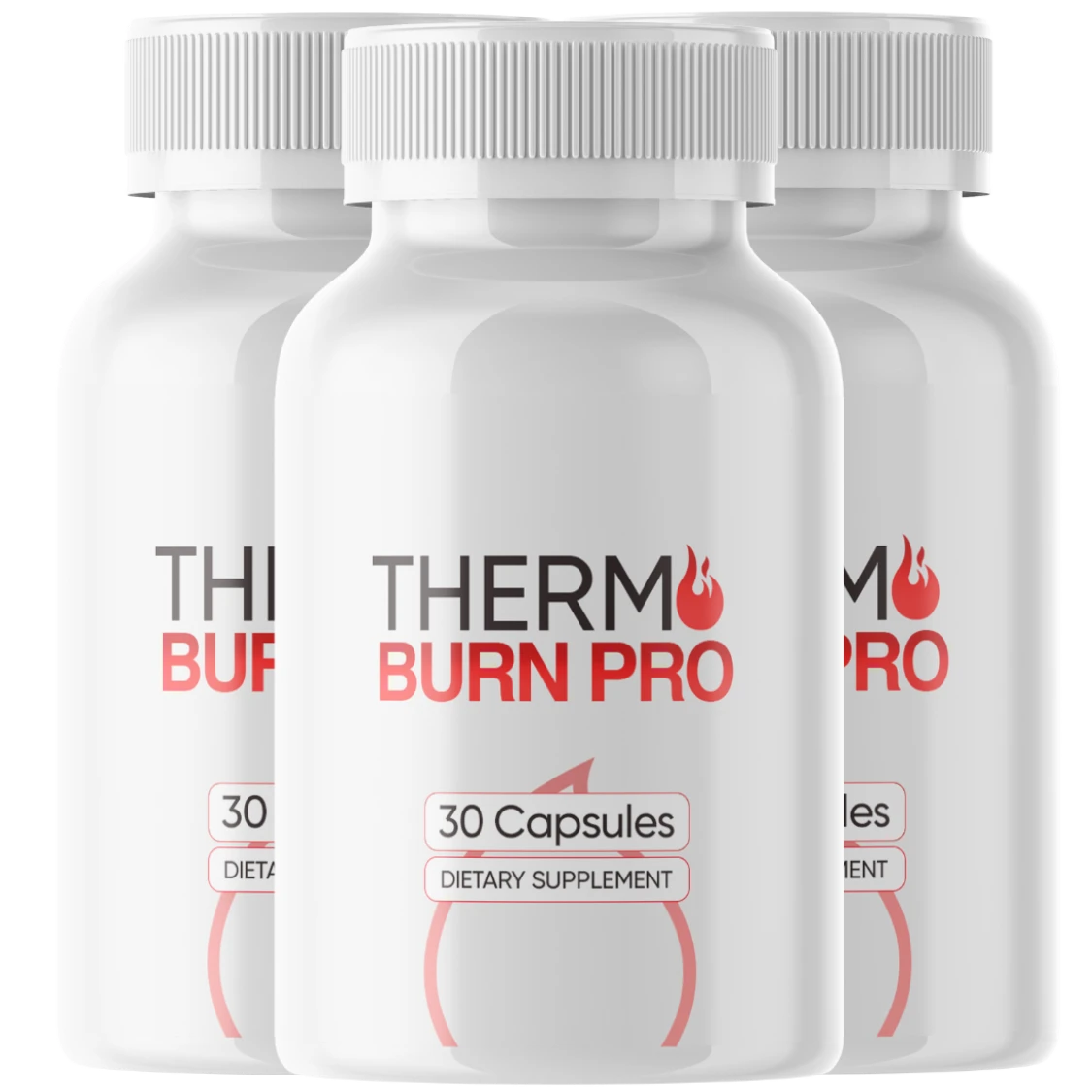
Thermo Burn is available at a fraction of those costs. The team behind Thermo Burn is offering a limited-time discount for new customers ordering directly through this page.
Select Your Thermo Burn Package
All packages include free US shipping + 180-day money-back guarantee
Availability reflects current production batches. Max 6 bottles per customer.
Order Today & Receive These Free Bonuses
A simple, day-by-day guide to the first week of Thermo Burn — including the exact timing, optional supporting habits, and what signals to watch for.
Simple food ideas that pair naturally with your morning routine — no calorie counting, no restrictions. Designed for real life.
Private access to a growing community of Thermo Burn users sharing results, tips, and motivation — with direct Q&A sessions with the research team.
180-Day Money-Back Guarantee — Zero Risk
Try Thermo Burn capsules for a full 180 days. If you don't feel and see a genuine difference — for any reason at all — simply contact the team for a complete refund. No questions asked. No hoops to jump through. You are either satisfied or you pay nothing.
Frequently Asked Questions
The following peer-reviewed studies are referenced throughout this article and are indexed in the U.S. National Library of Medicine (PubMed) database. These studies examine ingredients included in the Thermo Burn formula; they do not evaluate the Thermo Burn product itself, and results from these studies may not reflect individual user outcomes.
View on PubMed →
View on PubMed →
View on PubMed →
View on PubMed →
View on PubMed →
View on PubMed →